Finding Treasures at Rīga Flea Markets
A practical guide to spotting quality pieces worth restoring versus projects that aren't worth the effort. Includes seasonal timing and negotiation tips.
Where Soviet Elegance Still Waits
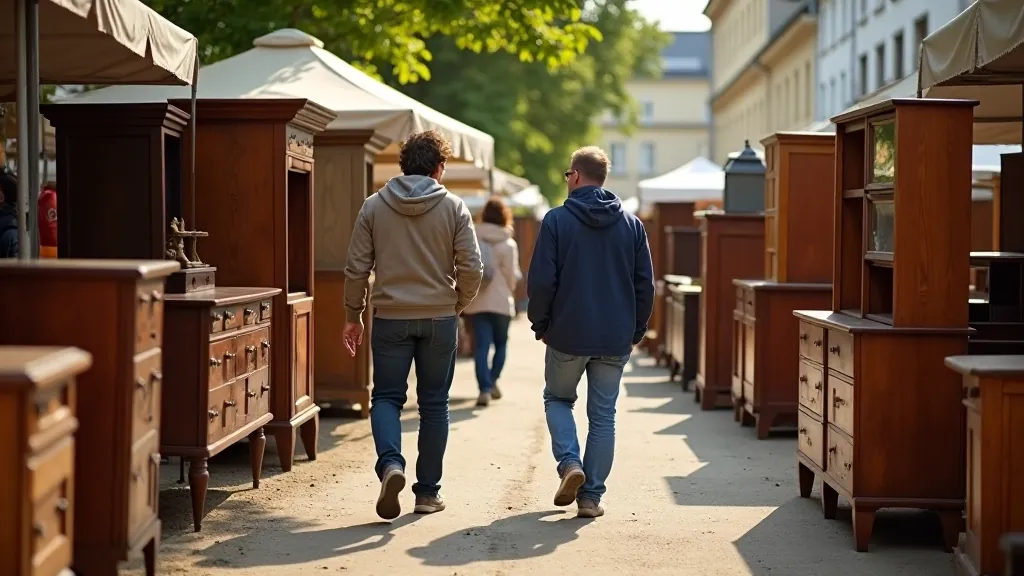
Rīga's flea markets aren't just chaotic piles of old stuff. They're hunting grounds where serious restoration projects hide in plain sight. We've spent years sorting through markets across the city—from Gaļeria Centrs to Kalnciema kvartāls—and we've learned what separates a diamond from a dud.
The real challenge isn't finding furniture. It's knowing which pieces deserve your time and money. A beautiful cabinet might have hidden structural damage. A promising chair could be a restoration nightmare waiting to happen. This guide covers what we've learned the hard way.
Best Markets in Rīga
Gaļeria Centrs, Kalnciema kvartāls, and Lazy Flea run weekends year-round
Best Times to Go
Early mornings (8-9am) have fresh stock. Spring/autumn have better selections
Budget Reality
Quality Soviet pieces range €20-€200. Expect to negotiate on everything
The 5-Minute Inspection Test
You don't have time to deeply inspect every piece. What you need is a quick system that weeds out obvious problems before you waste mental energy. We call it the Five-Minute Test, and it's saved us countless hours.
1
Look for Active Damage
Check for active woodworm (small round holes with fresh sawdust), soft wood in legs or frame, or obvious rot. If it's got active damage, move on—it's not worth the risk.
2
Check the Joints
Gently wiggle legs and arms. Loose joints are fixable, but separated joints that are warped or cracked suggest deeper structural issues. Press at joints—if the wood flexes or moves independently, that's a red flag.
3
Run Your Hands Across the Surface
Feel for raised grain, cupping, or deep warping. Minor surface scratches are fine—they sand out. Major warping means the wood's movement is unpredictable, and refinishing won't fix structural deformation.
4
Assess the Finish
Heavy varnish layers or paint aren't deal-breakers—they strip away. But if the wood underneath shows deep staining or discoloration, it might indicate water damage that's penetrated the grain.
5
Consider the Effort-to-Reward Ratio
Does this piece have bones worth saving? If it's a common Soviet chair with minor issues, it might not be worth 20+ hours of work. A solid cabinet with character and good wood? That's different.
Why Soviet Furniture Is Worth Hunting For
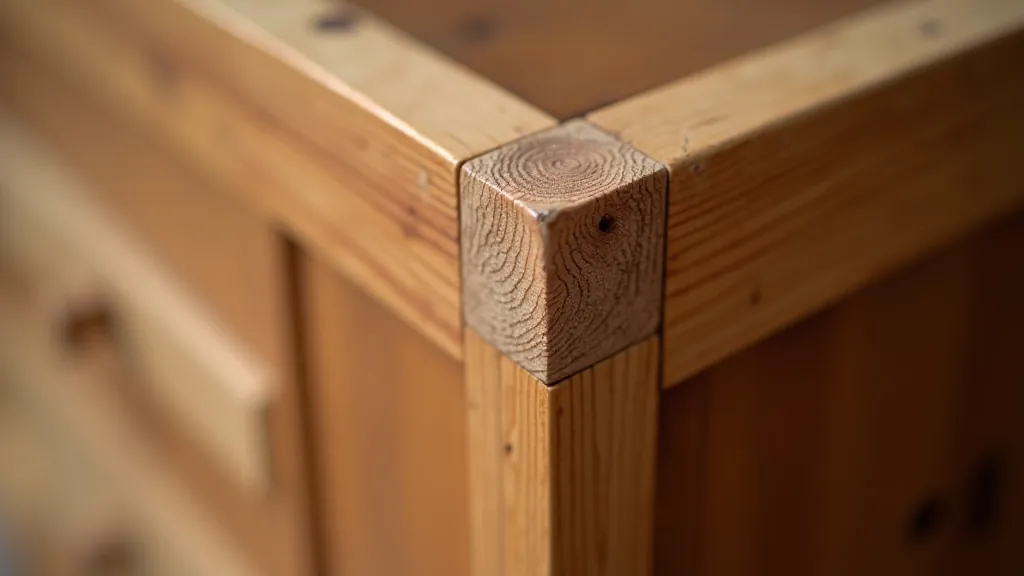
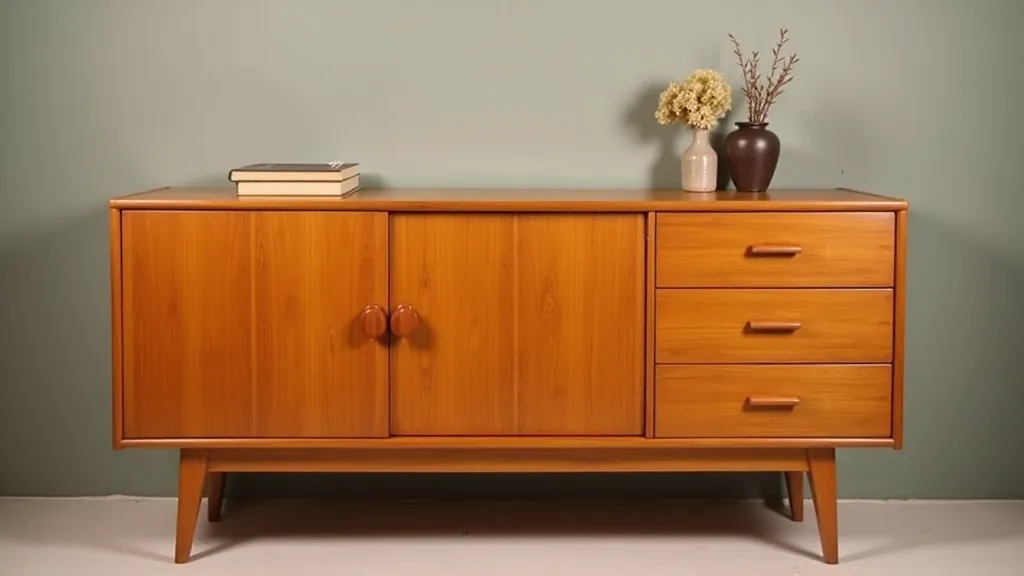
Soviet-era pieces aren't just historical objects. They're built differently than modern furniture. You'll find solid wood throughout—real oak, birch, or beech—not particle board. Joinery is done by hand or with proper machinery, not stapled together.
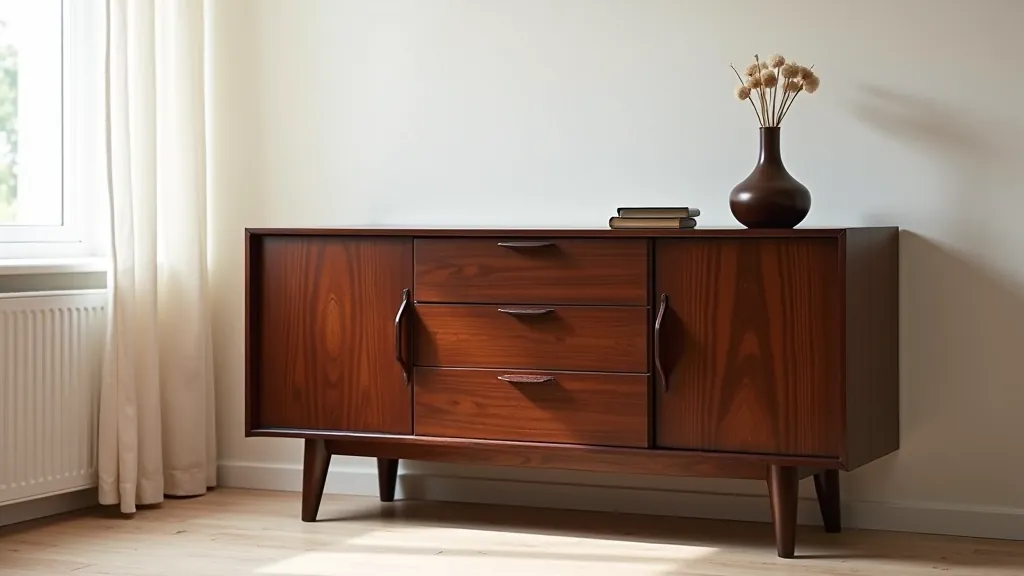
The design aesthetic is clean and functional. No unnecessary curves or cheap ornamentation. A restored Soviet cabinet becomes a statement piece because it combines solid construction with that distinctive mid-century simplicity. People pay good money for pieces that look like this once they're refinished properly.
But here's the thing—not all Soviet furniture deserves restoration. Factory-made pieces from the 1970s-80s often have thin veneer over particle board. Those aren't worth your time. Look for solid wood construction from the 1950s-60s. That's the sweet spot for restoration value.
"The best pieces are the ones nobody else wants yet. Mismatched sets, odd dimensions, or unfashionable colors. Those are the ones with potential."
Negotiation Tactics That Actually Work
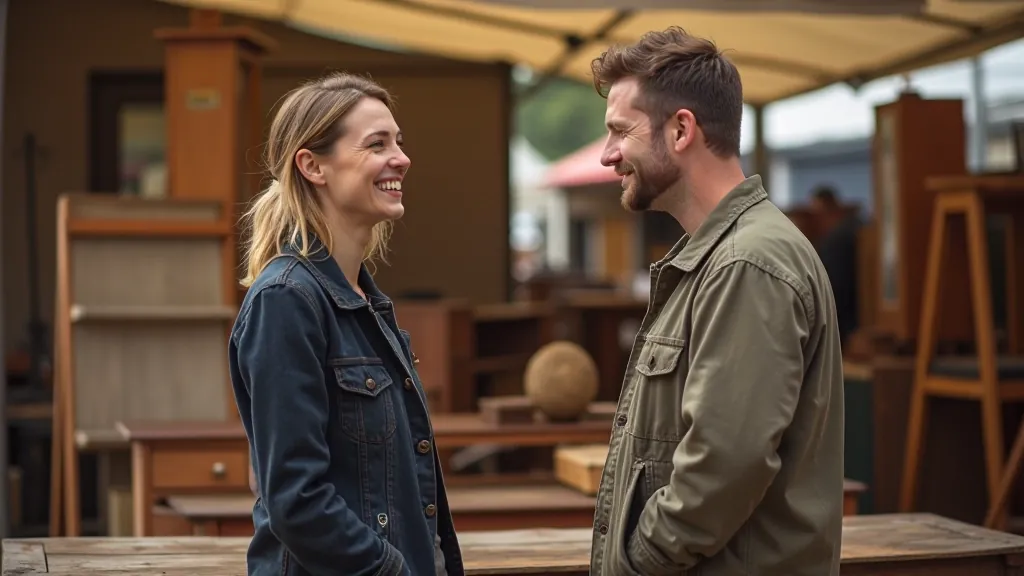
Every seller at Rīga's flea markets expects negotiation. It's part of the culture. But there's a difference between smart haggling and being disrespectful. Here's what works.
Know Your Timing
Prices are highest in the first 2 hours. By mid-afternoon, sellers are tired and more willing to move on inventory. If you see something interesting, note the vendor's location and circle back later. Sellers remember faces, and they'll remember that you're serious.
Point Out Actual Problems
Don't be vague. Say "This joint is loose—see? It wiggles. That means glue repair." Don't insult the piece. Frame it as restoration work you'll need to do. Sellers respect honest assessment. They're less likely to negotiate with someone who's just being cheap.
Bundle Multiple Pieces
If you're buying 2-3 items, ask for a bundle discount. Sellers often drop prices 10-20% on multiple purchases. This works especially well if you're buying pieces that are hard to move individually.
Have Cash Ready
This matters more than you'd think. Card payments add friction. Sellers with cash in hand feel more confident dropping prices. Bring small bills—euros 5-50 range. You'll negotiate better with visible payment.
When to Hunt: Seasonal Patterns
Rīga's markets run year-round, but the inventory changes dramatically by season. Understanding these patterns means you'll know when to expect the best pieces.
Spring (March-May)
Spring cleaning season. Lots of people clearing out apartments. You'll find good variety, especially from household cleanouts. Prices are fair because supply is high. This is a solid hunting season—don't miss it.
Summer (June-August)
Tourist season. Prices climb because vendors know tourists will pay more. Inventory shifts toward smaller decorative pieces. Still worth checking, but expect higher prices on everything.
Autumn (September-November)
Another strong season. People moving apartments, seasonal estate sales. Good selection returns and prices drop from summer peaks. October is excellent—good stock and reasonable prices.
Winter (December-February)
Slowest season. Cold weather reduces foot traffic and vendor participation. Prices are lowest, but selection is thinner. Go if you're patient and flexible about what you'll find.
Kalnciema Kvartāls: The Art District Alternative
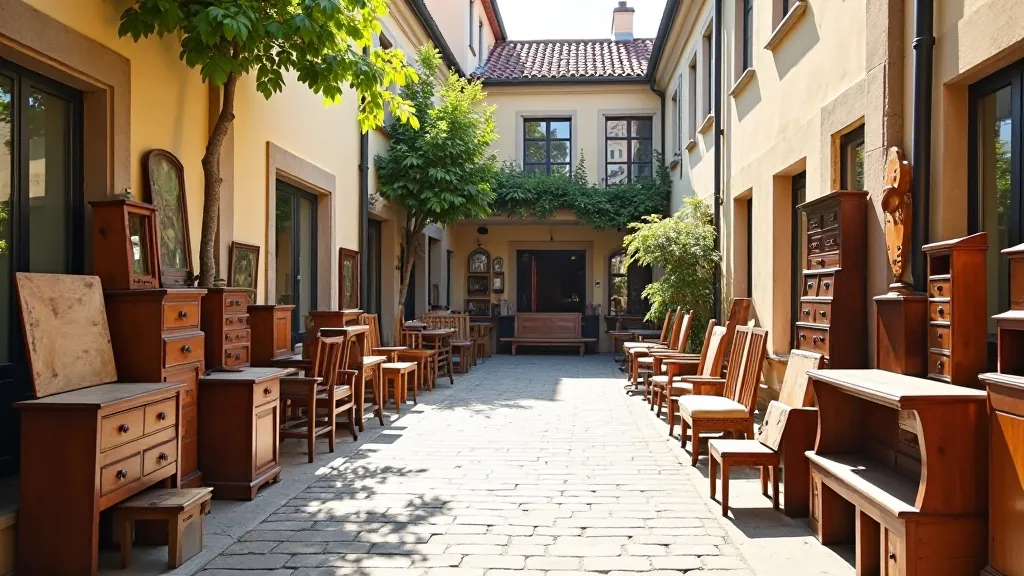
If you haven't explored Kalnciema kvartāls, you're missing part of the picture. It's not a traditional flea market—it's a creative district where artists, craftspeople, and dealers operate from permanent workshops and studios. The furniture here is different. More curated. More expensive, but usually pre-vetted for quality.
The advantage is transparency. You can talk directly to people who know the pieces. You'll see restoration work in progress. Dealers here are more selective about what they carry. You won't find deals like you would at Gaļeria Centrs, but you won't waste time on junk either.
It's worth visiting once a month just to see what's available. Some studios specialize in Soviet-era pieces. Others focus on imported Scandinavian furniture. You'll build relationships with dealers who'll call you when something matches what you're hunting for.
Practical Tips for Market Day
Bring a Checklist
Write down what you're looking for. Specific dimensions, wood type, era. It's easy to get distracted by cool-looking pieces that don't match your actual needs.
Take Photos
Photograph pieces from multiple angles. Write down the vendor's location. You might want to compare with other pieces or come back later when you've had time to think.
Plan Your Transport
Know how you'll get the piece home before you buy it. If you don't have a van, budget for delivery. Some vendors offer it. Others don't. This affects your actual final cost.
Go Early and Stay Late
First hour has the best selection. Last hour has the best prices. Some vendors drop prices significantly if they don't want to pack pieces up.
Build Relationships
Regular vendors appreciate repeat customers. Tell them what you're looking for. They'll remember you and save pieces. Over time, you'll get better deals and access to inventory before it hits the main market.
Ask Questions
Vendors often know the history of pieces. Where it came from, how old it is, what wood it's made from. This information helps you assess restoration potential and authenticity.
Finding Your First Restoration Project
The best piece to start with isn't the most beautiful. It's the one that teaches you something. Go to Rīga's markets with curiosity instead of desperation. Don't buy the first decent thing you see. Look at 20 pieces, compare them, feel the wood, check the joints. By piece 20, you'll know exactly what you're looking for.
Soviet furniture is waiting. Solid wood, good bones, and plenty of character. Some pieces have been sitting in basements for 30 years waiting for someone like you to see their potential. The hunt is half the fun. Don't rush it.
Ready to Start Restoring?
Once you've found your piece, learn the techniques that bring it back to life. Our guides cover sanding, finishing, and adding modern touches to classic pieces.
Learn Sanding TechniquesImportant Disclaimer
The information provided in this guide is educational and based on practical experience with furniture restoration. Market conditions, vendor practices, and piece availability vary. Prices mentioned are approximate and reflect 2026 market conditions in Rīga. Individual results depend on your specific skills, tools, and the condition of each piece you acquire. Always inspect furniture carefully before purchase. Some pieces may have hidden damage or require professional assessment before restoration begins. This guide doesn't replace professional consultation for valuable antiques or pieces with significant historical importance.