
negotiateking Logo Negotiateking Contact Us

Restoring Stories, One Piece at a Time

Negotiateking SIA brings vintage Soviet-era furniture back to life through thoughtful restoration and modern upcycling. We're passionate about preserving the craftsmanship of the past while giving beloved pieces a vibrant future.

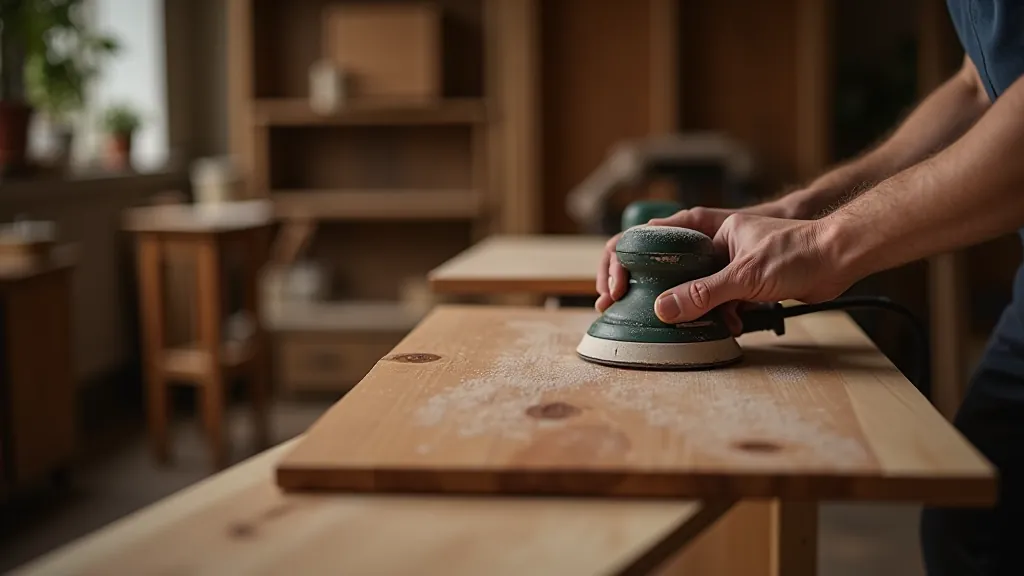
Expert furniture restoration workshop showing detailed restoration work on vintage pieces

Built on Passion for Restoration

Negotiateking SIA started because we couldn't watch beautiful Soviet-era furniture disappear into landfills. What began as a personal mission has grown into something much larger.

We've spent years learning the craft from experienced restorers and studying the techniques that made Soviet furniture iconic. Every piece has a story—whether it's a solid oak cabinet from the 1960s or a teak side table with intricate joinery. We're committed to honoring those stories while adapting pieces for modern living.

Rīga's flea markets and Kalnciema kvartāls have become our hunting grounds. We scout for treasures others overlook, pieces with good bones but tired finishes. Then comes the rewarding work: proper assessment, careful restoration, and thoughtful upcycling that respects the original design while making the piece relevant today.

What sets negotiateking SIA apart isn't just our technical skill. It's our belief that restoration shouldn't erase history—it should celebrate it. We don't strip away patina indiscriminately or force modern aesthetics onto classic designs. Instead, we listen to what each piece wants to become.
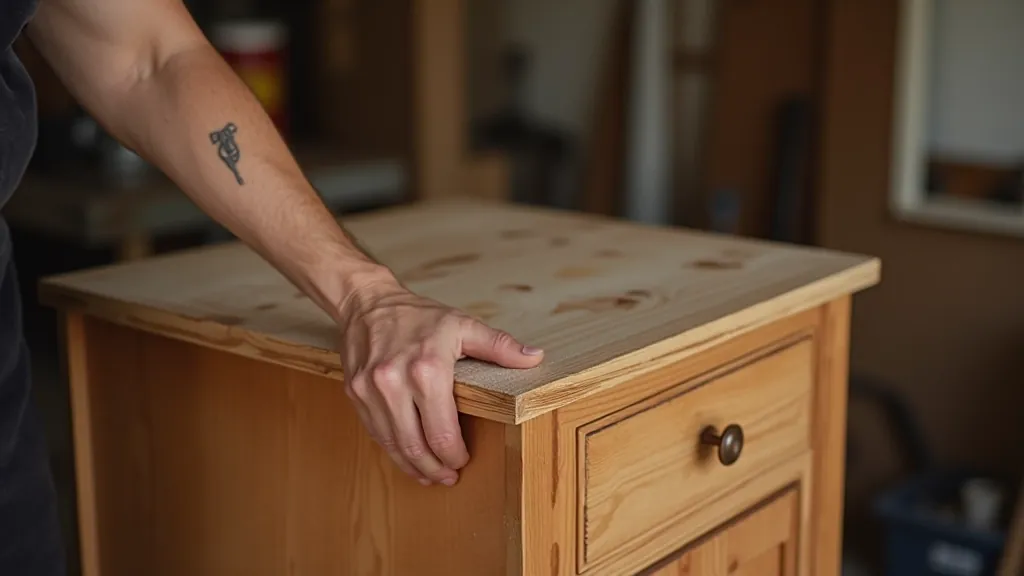
Close-up of vintage Soviet furniture restoration showing wood detail and craftsmanship

Core Restoration Competencies

Negotiateking SIA has developed deep expertise across multiple restoration disciplines. Here's what we know inside and out.

Sanding & Surface Prep

We've mastered the nuances of grain direction, grit progression, and sanding techniques that reveal wood beauty without damaging delicate veneers or original joinery found on authentic Soviet pieces.

Finishing & Refinishing

Oils, stains, lacquers, varnishes—we understand how different finishes perform on different wood types. We're selective about products, choosing those that enhance rather than obscure the wood's natural character.

Modern Upcycling

Adding contemporary touches—new hardware, subtle color updates, functional modifications—while maintaining design integrity. We don't just restore; we thoughtfully evolve pieces for today's spaces.

Source & Selection

Navigating Rīga flea markets and Kalnciema kvartāls takes skill. We've developed an eye for spotting quality pieces worth restoring versus those better left alone. We know what's collectible, what's sturdy, and what has real potential.

How We Approach Every Restoration

There's no single formula for restoration. But we've developed a thoughtful methodology that guides our work on every piece Negotiateking SIA touches.

1

Assessment & Analysis

We examine the piece thoroughly—original finishes, wood species, construction method, condition of joints and hardware. This reveals the piece's history and what restoration approach makes sense.

2

Structural Repair

Loose joints get re-glued, warped wood gets stabilized, broken parts get replaced with sympathetic materials. We don't rush this phase. Solid structure is the foundation of everything that follows.

3

Surface Preparation

Careful sanding reveals the wood beneath. We're methodical about grit selection and technique—working with the grain, respecting delicate details, preserving any character marks that add authenticity.

4

Finishing Selection

We choose finishes based on wood type, original aesthetic, and intended use. Sometimes that's traditional oil. Sometimes it's modern lacquer. The goal is protection combined with visual honesty.

5

Modern Integration

If the piece benefits from contemporary touches—updated hardware, subtle color shifts, functional upgrades—we execute these thoughtfully. Enhancement, not transformation.

Our Restoration Philosophy

Every restoration decision at negotiateking SIA comes back to core principles that define how we work and why we care so deeply about this craft.

Principle One
Respect Original Intent
Soviet furniture designers built these pieces with purpose and skill. We honor that by understanding their original vision before making any changes. Restoration starts with respect.
Principle Two
Transparency in Process
We're clear about what we do, why we do it, and what the results will be. No hidden shortcuts. No surprise techniques. Honesty about methods and materials matters to us.
Principle Three
Sustainability First
Restoration is the ultimate sustainability. We rescue pieces from disposal, extend their useful life, and celebrate their value. That's our contribution to a more thoughtful approach to furniture.
Principle Four
Quality Over Speed
Proper restoration can't be rushed. We take the time needed to do things right—careful sanding, proper drying, multiple finish coats. Speed sacrifices quality, and we won't compromise there.
Principle Five
Community Knowledge
We share what we've learned through guides on sanding techniques, refinishing products, and sourcing strategies. If our knowledge helps someone else restore furniture better, we're fulfilling part of our mission.
Principle Six
Local Connection
Latvia's restoration culture is special. We're deeply connected to Rīga's flea markets, Kalnciema kvartāls community, and the broader network of people who care about preserving furniture heritage here.

Ready to Explore Restoration?

Whether you're looking to restore your own piece, source materials, or learn restoration techniques, negotiateking SIA has resources to help. Dive into our detailed guides and discover the craft.

Explore Our Guides

Important Information

The information and guides provided on negotiateking SIA's website are intended for educational and informational purposes only. While we strive to offer accurate, practical guidance on furniture restoration techniques, sanding methods, and finishing products, individual results depend on many factors including your experience level, specific materials used, wood type, environmental conditions, and careful execution. Restoration outcomes can vary significantly based on how techniques are applied. We recommend testing any new method or product on inconspicuous areas first and, when in doubt, consulting with experienced restorers or specialists familiar with your specific piece. The techniques we discuss represent best practices, but furniture restoration is a craft that improves with practice and learning.